
Living with a hyperactive dog at home can sometimes feel like having a playful tornado swirling around your living room. You might find yourself wondering why your pet bursts with endless energy, especially in the quiet spaces where calm is expected.
Studies suggest that up to 15% of dogs exhibit hyperactive behaviors, often related to genetics, breed, and environment. These behaviors can affect the dog’s wellbeing and your peace of mind, making managing a hyperactive dog at home a priority for many pet owners.
What I often see is that simple advice like “just tire them out” rarely solves the problem fully. Hyperactivity can stem from complex causes not addressed by quick fixes.
This article offers a comprehensive guide. You’ll learn how to create predictable routines, apply effective exercise and mental stimulation, and understand when to seek professional help. By the end, you’ll be equipped to bring calm and balance to your energetic companion’s daily life.
Understanding hyperactivity in dogs
Hyperactivity in dogs is often a mix of genetics, environment, and health factors. Understanding these helps us manage our pets better and create calm homes.
What causes hyperactivity?
Hyperactivity mainly comes from genetics, environment, and health issues. Dogs may have brain chemistry imbalances like low serotonin or dopamine. Allergies or pain can also make them restless. Lack of enough exercise or mental activity often fuels this behavior.
Experts say some dogs act hyperactive when they just need more physical and mental outlets. Real hyperactivity is rare but can show with constant fidgeting and difficulty calming down.
Signs of hyperactivity vs. normal energy
True hyperactivity shows as constant restlessness and poor self-control. Hyperactive dogs can’t settle even in calming places. They may show impulsive actions, bark a lot, or act aggressively when stressed.
Normal energy includes bursts of playfulness that end with rest. A dog with normal energy will calm down after activity and behave well in quiet times.
Breed tendencies and genetics
Certain breeds, especially hunting types, are more prone to high energy levels. This is caused by genetics and how their brains react to their environment. Puppies also have more energy, but lack of exercise can make it worse.
Experts explain that most “hyperactivity” in dogs is linked to how they are raised, not just breed traits. Still, some dogs naturally need more activity to stay happy.
Setting up a predictable daily routine
Setting up a predictable daily routine helps manage energy and behavior in hyperactive dogs. Consistency calms their minds and bodies.
Meal and playtime scheduling
Regular meal and playtimes create comfort and reduce anxiety. Dogs thrive when they know what to expect. Feeding at the same times each day helps digestion and limits overeating. Scheduled playtime balances rest and activity, letting your dog burn energy without chaos.
Consistent exercise routines
Daily, predictable exercise keeps your dog physically fit and mentally calm. Routine exercise burns excess energy and prevents restlessness. Short, frequent walks or play sessions work best. Keeping this habit at the same time every day builds healthy habits and helps your dog settle later.
Mental stimulation activities
Mental activities like puzzle toys or training games engage your dog’s brain and prevent boredom. These stimulate focus and reduce destructive behavior. Planning quiet, focused tasks as part of the routine creates a peaceful rhythm that your dog learns to expect.
Effective exercise to burn excess energy
Exercise is key to burning excess energy in hyperactive dogs. Consistent physical activity calms their minds and bodies.
Types of exercise for hyperactive dogs
High-energy dogs thrive on activities like agility training, flyball, and fetch. These exercises challenge both body and brain. Indoors, obstacle courses and puzzle treats keep them busy. Activities like tug-of-war and chasing lures tap into natural instincts.
Duration and intensity guidelines
Large breeds need 2+ hours daily, while smaller dogs need less. Exercise should be in brisk sessions spread throughout the day. On-leash walks are just appetizers; off-leash hikes or runs give true energy release. Intensity varies with structured routines combining running and jumping.
Incorporating play and training
Blending play with training makes exercise fun and effective. Games like hide-and-seek or fetch paired with commands like sit and stay engage your dog physically and mentally. Short, positive-reinforced sessions improve focus and build a strong bond.
Mental activities and training techniques
Mental activities and training are key to managing hyperactive dogs. They help focus energy and promote calm behavior.
Using puzzle toys to focus energy
Puzzle toys engage your dog’s brain and redirect excess energy. These toys hide treats and require problem-solving. Dogs get mentally tired and less likely to act out. Examples include treat-filled balls or boxes where dogs must find snacks.
Basic obedience commands for calmness
Simple commands like sit, down, and stay build calmness. Training short sessions—in fun settings—redirects attention and reduces hyperactivity. Commands provide structure and security, helping dogs feel balanced.
Positive reinforcement methods
Rewarding good behavior with treats and praise boosts learning. Positive reinforcement releases feel-good chemicals like dopamine in dogs. Consistent, short training sessions that celebrate wins build strong habits and improve mood.
When to seek professional help
Knowing when to seek professional help is crucial for managing hyperactivity. Some signs may need expert care.
Recognizing when hyperactivity may indicate a health issue
Hyperactivity linked to health issues requires vet attention immediately. Signs include sudden behavior changes, excessive scratching, or signs of pain. Conditions like allergies, thyroid problems, or neurological issues can underlie hyperactive behavior.
Behavioral therapy options
Professional behavioral therapy offers tools to control hyperactivity. Techniques include desensitization, counter-conditioning, and structured routines. Therapists work with owners on training plans that reduce anxiety and impulsivity.
Medications and veterinary advice
In some cases, medication supports behavior management. Vets may prescribe calming drugs or supplements tailored to your dog’s needs. Always combine meds with training and lifestyle changes for best results.
Conclusion: calming your hyperactive dog effectively
Calming a hyperactive dog effectively comes down to consistent routines and understanding your pet’s needs. Predictable daily habits, balanced exercise, and mental engagement create a peaceful environment for your dog.
Studies show dogs with structured routines show 30-40% less hyperactive behavior over time. Using puzzle toys, obedience training, and positive reinforcement helps turn restless energy into calm focus.
Don’t hesitate to seek professional advice when needed. Combining behavioral therapy and medical support can make a significant difference. Remember, every dog is unique, so patience and consistency are your best tools.
FAQ – Managing a Hyperactive Dog at Home with Predictable Routines
How does a predictable daily routine help calm a hyperactive dog?
A structured routine allows dogs to anticipate activities, reducing chaos and hyperactivity by providing clear expectations for exercise, meals, and rest. This predictability promotes calmness and prevents overstimulation.
What type and amount of exercise is best in a routine for hyper dogs?
Daily physical exercise like walks, fetch, running, or swimming is essential to direct energy positively. Ideally, 30-60 minutes split across morning and evening helps tire the dog without causing overexcitement.
How can mental stimulation fit into a home routine to reduce hyperactivity?
Use puzzle toys, treat-dispensing games, or trick training for 10-15 minutes after physical activity. These engage the dog’s brain, promote fatigue, and encourage settling, helping prevent boredom-driven energy bursts.
What role does crate training play in a predictable routine?
Crate training gives dogs a quiet, positive space for rest during busy times. Paired with chew toys or puzzles, it teaches calmness and allows for important rest periods after exercise or play.
Are games like fetch or tug effective, and how to structure them?
Structured fetch, tug, or recall games help burn energy while teaching skills like ‘drop-it’ or ‘stay.’ Limit these to about 15 minutes and use rules for focus, ending sessions on a calm note to avoid overstimulation.
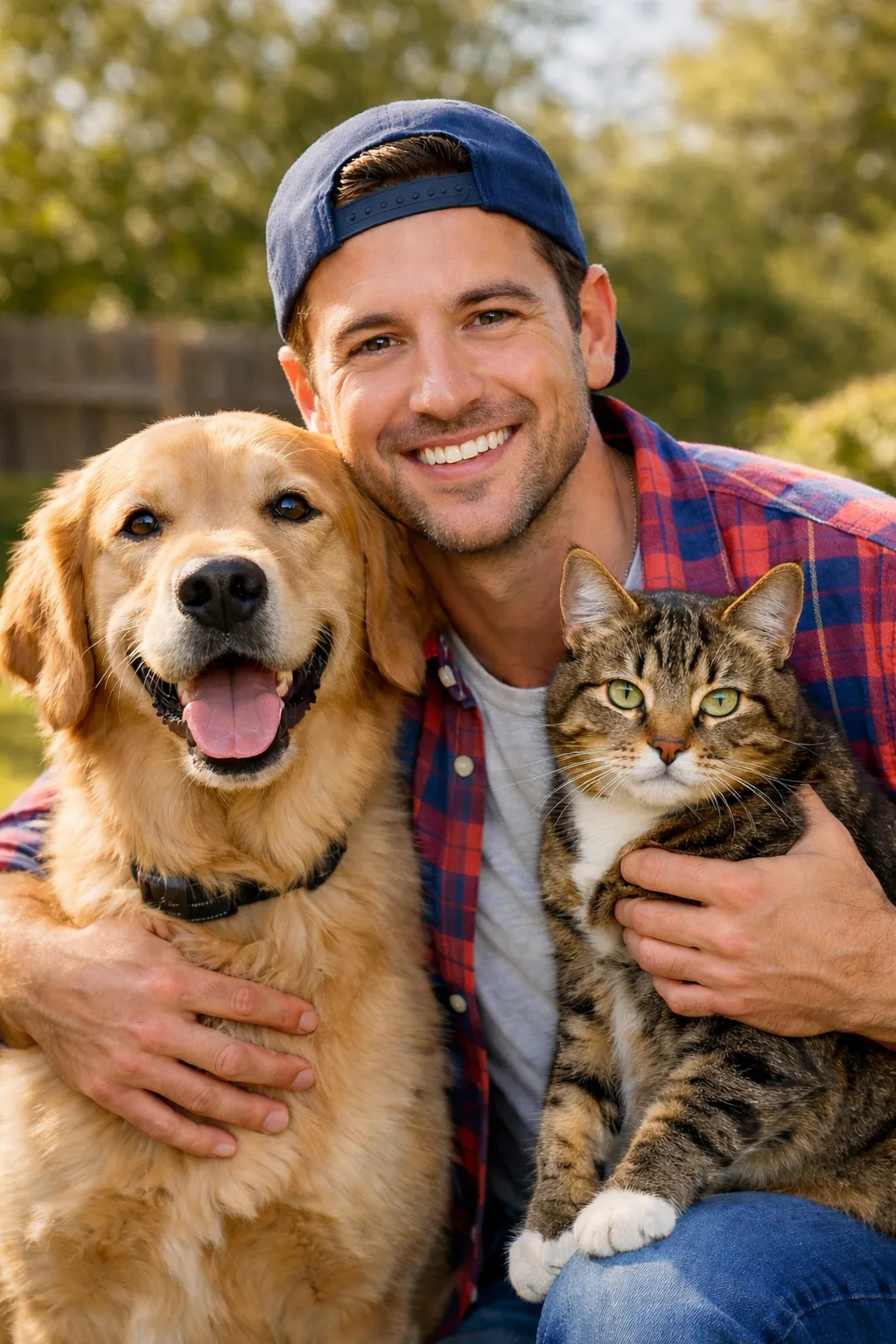
Jack Parker has loved animals since childhood and believes every pet deserves a happy, healthy life. Growing up with dogs and cats taught him that pets are more than companions — they are family.
Through his blog, Jack shares simple, practical advice on pet care, nutrition, and behavior to help pet parents make confident decisions. His mission is to support loving homes where pets can truly thrive. 🐾