
Have you ever noticed your dog acting unsettled or nervous during certain times but not reacting dramatically? It might be a case of mild dog anxiety, a common issue many pet owners face quietly. Like a slight ripple in an otherwise calm lake, this kind of anxiety usually shows in subtle behaviors like pacing, panting, or restlessness.
Estimates suggest that up to 30% of dogs experience some form of anxiety, with mild anxiety being the most frequent yet often overlooked. Addressing mild dog anxiety early can prevent it from escalating. Research shows that consistent routines and behavioral interventions help most dogs regain confidence and calmness without heavy reliance on medications.
Many quick fixes only scratch the surface and might not provide lasting relief. This article walks you through practical, evidence-based strategies to manage your dog’s mild anxiety by creating a predictable structure. We’ll explore symptoms, causes, daily routines, behavior training, and natural supplements to offer a well-rounded approach that fits your dog’s needs.
Recognizing mild dog anxiety
Recognizing mild dog anxiety can be tricky because the signs are often subtle. It’s like noticing a slight change in your dog’s behavior that might seem normal at first but hints at stress underneath. Understanding these signs helps us care for dogs better and prevent anxiety from getting worse.
Common symptoms and behaviors
Mild dog anxiety often shows as lip licking, yawning, and avoiding eye contact. Dogs might also turn their heads away or pace nervously. These small behaviors are ways dogs express they feel uneasy or stressed without being obvious.
It’s important to watch for multiple signs like panting or fidgeting, which usually happen in new or unsettling situations. Ears slightly back can be a key body signal that your dog is feeling anxious.
How to distinguish mild anxiety from severe cases
Mild anxiety includes subtle signs like lip licking and backward ears. If the dog starts trembling, hiding, or showing aggression, the anxiety is severe. Severe anxiety also brings behaviors like destructive chewing or potty accidents.
Tracking your dog’s behavior over time helps you see if anxiety is growing. Dogs communicate deeply through body language, so watching closely helps you decide when the anxiety shifts from mild to something serious.
When to seek veterinary advice
Seek veterinary help if mild signs last more than one to two weeks or get worse. If your dog starts trembling or losing appetite, or if destructive behaviors appear, it’s time to get advice. Sometimes health problems can look like anxiety, so a vet can rule those out.
Early help is important, especially if your dog soils the house, barks excessively, or loses weight. Getting support early can stop anxiety from escalating into bigger problems.
Causes and triggers of anxiety in dogs
Dogs can feel anxious for many reasons. These causes can come from their surroundings, breed traits, or health issues. Knowing these triggers helps owners understand and support their pets.
Environmental factors
Noise sensitivity is a top trigger for dog anxiety. Loud sounds like fireworks, thunder, and vacuum cleaners often scare dogs. Dogs may also feel anxious when meeting strangers or other dogs.
Many dogs show separation anxiety when left alone, which can lead to destructive chewing. Experts say creating safe spaces and gradually introducing scary sounds can help.
Genetics and breed tendencies
Some breeds are more prone to anxiety due to genetics. Research shows breeds like Shetland Sheepdogs and Wheaten Terriers often have higher anxiety risks. Anxiety can affect all breeds though.
Knowing your dog’s breed can guide you to give extra care. For example, herding breeds may need more downtime to stay calm.
Health-related causes
Health problems can cause or worsen anxiety in dogs. Older dogs with arthritis or cognitive issues may feel confused and scared. Pain can make dogs act anxious or aggressive.
Regular vet checks help rule out health problems. Addressing pain or illness is key before trying behavior fixes.
Benefits of a predictable daily structure
A predictable daily structure can make a big difference for dogs with anxiety. It helps them feel safe and less stressed. When dogs know what to expect, they tend to relax more and behave better.
Why consistency soothes anxiety
Consistency calms the nervous system and cut stress. Our brains, like dogs’, prefer predictability to avoid mental overload. Studies show routines lower stress hormones and bring comfort.
Experts say routine acts like a safety net, offering reassurance during uncertain times.
Examples of effective routine elements
Simple daily habits help dogs feel secure. Regular feeding times, daily walks, play sessions, and rest periods build a calming rhythm. Bedtime rituals also improve sleep and mood.
These habits keep dogs busy with positive activities and help manage anxiety gently through structure.
How structure builds trust and stability
A steady routine builds trust between you and your dog. It gives dogs a sense of control, emotional balance, and confidence. Families who keep routines often see calmer, happier pets.
Structure reduces stress by cutting uncertainty, making it easier for dogs to feel safe and connected.
Behavioral methods to manage mild anxiety
Managing mild anxiety in dogs often starts with behavior methods. These techniques focus on changing how dogs react to stress. They are gentle, effective, and help dogs feel safer.
Desensitization and counter-conditioning
Desensitization slowly reduces fear by gentle exposure to triggers. Dogs learn to face what scares them without stress. This method pairs exposure with positive experiences to change feelings.
Experts find that graded exposure helps many pets lower anxiety by retraining their responses over time.
Using positive reinforcement
Positive reinforcement rewards calm and brave behavior. Treats, praise, and affection encourage dogs to repeat good reactions. Trainers combine rewards with calm coaching to build strong habits.
This approach makes dogs confident and helps replace anxious reactions with relaxed ones.
Incorporating calming exercises
Calming exercises like relaxation and mindfulness ease mild anxiety. Techniques include gentle massage, deep breathing exercises, or quiet time. They teach dogs to settle and focus away from stress.
Studies show these exercises reduce anxiety symptoms and improve overall well-being in dogs.
Natural supplements and lifestyle adjustments
Natural supplements and lifestyle changes can help ease mild dog anxiety. These methods work well alongside routines and training. They support your dog’s calm and overall health.
Safe supplements for mild anxiety
Some natural supplements like CBD, chamomile, and valerian root can calm dogs safely. These often reduce stress without side effects. However, always check with a vet before starting any supplement.
Experts say that proper dosing and quality products are key for safety.
Diet and exercise impacts
A balanced diet and regular exercise improve mood and reduce anxiety. Exercise releases feel-good chemicals, while good nutrition supports brain health. Dogs that get daily walks and playtime often show less anxious behavior.
Diets rich in omega-3 fatty acids help calm nerves naturally.
Creating a calm environment at home
Setting up a quiet, safe space helps dogs feel secure. Soft bedding, low noise, and familiar toys make a big difference. Consistent daily routines also give dogs a sense of control.
Using calming scents or background music can reduce stress as well.
Conclusion: building lasting calmness in your dog
Building lasting calmness in your dog depends on consistent, gentle training methods. Positive reinforcement reduces stress far better than harsh techniques. Studies show dogs trained this way are 15 times less likely to be anxious.
Most dogs can reach a relaxed state with patient care. Research finds stress levels drop significantly when dogs get time to settle after upsetting events.
These calm moments help dogs recover and stay balanced. Regular breaks of 10-20 minutes promote relaxation and emotional health.
Training and play also ease anxiety for owners. Strengthening this bond supports lasting calmness for both dogs and their families.
FAQ – Managing Mild Dog Anxiety With Predictable Structure
What are the common signs of mild dog anxiety?
Mild dog anxiety signs include panting, pacing, restlessness, excessive barking, drooling, yawning, lip-licking, refusing treats, fidgeting, ears back, and mild avoidance like leaning away or paw lifting. These behaviors often occur in response to triggers and differ from severe signs like trembling or aggression.
What causes mild dog anxiety?
Common causes include fear of loud noises, strangers, new environments, or objects; separation from owners (affecting about 14% of dogs); aging-related cognitive decline; changes in routine or household; and underlying medical issues like pain. Mild cases often stem from specific triggers rather than constant distress.
How can I manage my dog’s mild anxiety through behavior?
Use positive reinforcement training, increase physical exercise, create a calm environment by reducing triggers (e.g., desensitization to noises), provide safe spaces like crates, maintain consistent routines, and practice short separations to build tolerance. Avoid punishment, as it worsens anxiety.
Are there supplements or natural aids for mild dog anxiety?
Natural options include calming supplements like L-theanine, melatonin, or chamomile; pheromone diffusers (e.g., Adaptil); and CBD products (vet-approved). These support behavioral changes but are not cures; combine with training for best results in mild cases.
How do I build lasting calmness in a dog with mild anxiety?
Promote long-term calm through daily exercise, mental stimulation (puzzle toys, training), gradual exposure to triggers (counter-conditioning), a stable routine, and vet checkups to rule out medical causes. Consistency and patience prevent escalation to chronic issues like depression.
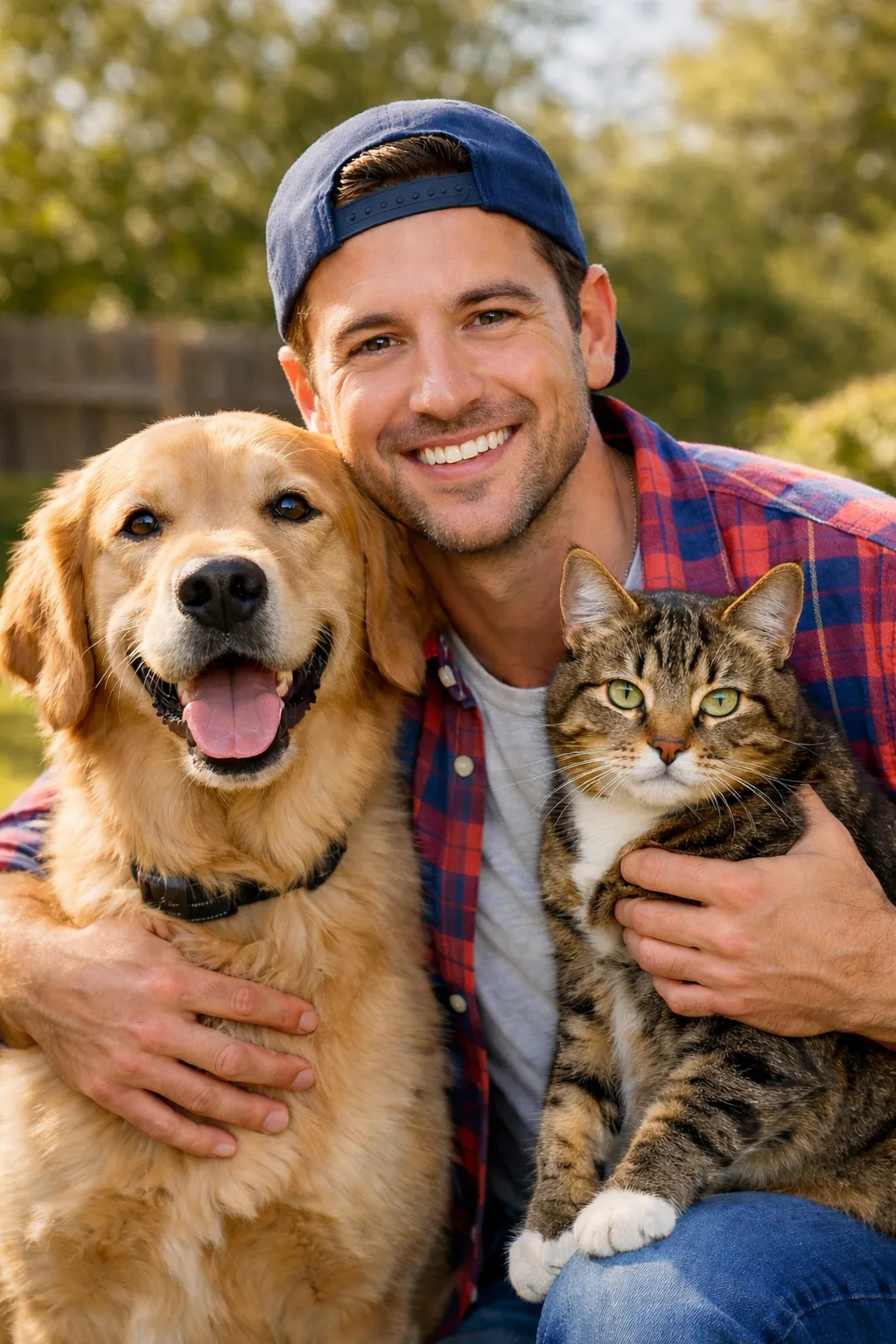
Jack Parker has loved animals since childhood and believes every pet deserves a happy, healthy life. Growing up with dogs and cats taught him that pets are more than companions — they are family.
Through his blog, Jack shares simple, practical advice on pet care, nutrition, and behavior to help pet parents make confident decisions. His mission is to support loving homes where pets can truly thrive. 🐾