
Ever felt like you were yelling commands but your dog wasn’t really listening? You’re not alone. Imagine your dog as a mirror reflecting your energy back at you if you’re anxious, frustrated, or tense, your dog senses it immediately. Calm dog leadership is about harnessing a quiet strength that speaks louder than words or harsh commands.
Studies suggest nearly 70% of dog behavioral issues improve when owners adopt a calm, assertive approach. Calm dog leadership isn’t just a training style; it’s a mindset that changes how your dog perceives you and responds. This approach reduces stress for both you and your dog while building lasting trust.
Quick fixes or forceful methods often miss the mark, leaving owners frustrated and dogs confused. This article unpacks calm dog leadership with proven techniques and real-life tips. You’ll discover how to embody calm confidence, set boundaries, and communicate clearly—so your dog respects and trusts you naturally.
The essence of calm dog leadership
Understanding calm dog leadership means seeing yourself as a confident guide. Dogs pick up on your mood and energy. When you lead calmly, your dog feels safe and ready to learn.
What calm leadership means for dogs
Calm leadership means being a confident protector and provider. Dogs under calm leaders show less anxiety and focus better. They learn faster and trust their owners more.
Weak leadership leads to stress, nervous behaviors, and confusion. Real examples show calm dogs almost train themselves when owners give clear signals.
The role of energy and body language
Calm energy and clear body language signal safety. Dogs relax when they see steady, non-confusing cues. This helps them stay calm and ready.
Frustrated owners can make dogs anxious without realizing it. Studies show dogs respond better to relaxed, confident positioning and gestures.
Why calm leadership works better than aggression
Aggression raises stress and stops learning. Calm leadership creates happy, eager dogs who want to listen. Aggressive approaches often backfire.
Research connects pet dogs to a 31% boost in well-being. Calm dogs focus better and behave more. They build stronger bonds with their owners through steady, kind leadership.
Understanding calm-assertive energy
Calm-assertive energy is the balance of staying composed while acting confidently. This energy helps leaders guide without stress or confusion.
How to develop calm-assertive energy
Develop calm-assertive energy by speaking clearly and listening well. Calm leaders reduce misunderstandings by staying composed and considering others’ views.
Being a role model helps others manage stress. Balance confidence and kindness to build respect.
Common mistakes that break calm leadership
Bare calmness without assertiveness lets others ignore you. Losing control during pressure breaks trust and weakens leadership.
True calm leadership needs quiet strength. Shouting or panic ruins it.
Breathing and posture tips for dog owners
Though specific tips are scarce, good breathing and posture are key. Stay relaxed and upright to send calm signals your dog understands.
Deep, slow breaths help you stay grounded. A steady stance shows confidence and safety.
The dog’s perspective: emotional mirroring and trust
A dog’s view of leadership is shaped by feelings and trust. Dogs are highly sensitive to owner moods. They bond deeply when they sense calm and kindness.
How dogs reflect your mood
Dogs mirror their owners’ stress and emotions. Studies show dogs share similar cortisol levels with their owners. When owners are anxious, dogs become anxious too.
This strong emotional link helps explain why calm leadership works. Herding breeds especially pick up on owner moods quickly.
Building emotional trust
Long-term stress syncing builds trust between dog and owner. Dogs and owners often share stress patterns over months, showing deep connection.
Energy therapies that calm both owner and dog reduce stress for both. Healthier owners help pets improve sleep and reduce allergies.
Signs your dog responds to your calm energy
Calm owners have calm dogs with less anxiety. When owners lower stress, dogs mirror those changes with better behavior and health.
Relaxed dogs show fewer behavior problems and sync with their owners’ peaceful moods. Calm energy visibly reduces dog’s stress over time.
Setting clear boundaries and routines
Setting clear boundaries and routines helps dogs feel safe and focused. Dogs thrive when they know what to expect and what’s allowed.
Why boundaries matter
Boundaries prevent overload and confusion. Dogs, like people, get stressed when rules aren’t clear. Clear limits help reduce anxiety and unwanted behaviors.
Studies show clear rules cut distractions and improve focus. Just like turning off phone notifications helps humans, boundaries calm dogs’ minds.
Creating consistent routines
Routines make life predictable and calm. Consistent schedules reduce stress by setting clear expectations. Dogs learn faster when routines are simple and steady.
Frequent breaks and time for play reset dogs’ energy, keeping them balanced. Regular practice builds good habits step by step.
Managing distractions and overstimulation
Distractions cause stress and break focus. Reducing noise, limiting screen time, and creating quiet spots help dogs relax. Knowing triggers helps prevent overload before it starts.
Mindfulness and calm pauses help both dogs and owners stay grounded. Less stimulation means better focus and happier dogs.
Practical training exercises to reinforce calm leadership
Training your dog to follow calm leadership takes daily practice and patience. Simple exercises and play help you build a strong bond and clear communication.
Simple exercises to practice calm leadership daily
Daily calm exercises build trust and focus. Short sessions of sit, stay, and gentle eye contact teach your dog to listen calmly.
Consistent rewards reinforce good behavior. Even five minutes a day can make a difference.
Using play and exercise to drain excess energy
Play and exercise reduce restlessness. Active dogs follow calm leadership better when their energy is spent positively.
Walks, fetch, and tug games help release energy safely. A tired dog is a calmer dog.
How to adapt training for different dog personalities
Tailor training to your dog’s unique personality. Shyer dogs may need more gentle encouragement, while energetic breeds require extra activity.
Understanding your dog’s nature improves training success. Be patient and adjust as needed for best results.
Conclusion: leading with calm confidence
Leading with calm confidence is about staying steady and clear, especially under pressure. Calm leaders build trust and help others feel safe. This steady presence encourages better problem-solving and reduces stress in teams.
Studies show that calm leadership boosts psychological safety and flow at work. Around 53% of leaders react closed-minded when stressed, but calmness makes a real difference.
Examples include leaders who act as the ‘eye of the storm,’ keeping steady during chaos. Introverted leaders use calm reflection to guide effectively, proving quiet confidence works.
Composure is contagious. A calm leader sets the tone for a calm team, building resilience and trust over time.
FAQ – Common Questions About Calm Dog Leadership
What is calm dog leadership?
Calm dog leadership is guiding your dog through consistency, not control cthrough calm, assertive energy rather than volume, yelling, or emotional reactions. It involves projecting composure, steady movements, and clear direction to create trust and emotional stability, as dogs mirror your mood via emotional transfer.
Why do dogs need a calm leader?
Dogs are pack animals that seek a calm, confident leader for boundaries, direction, and emotional stability; without it, they may assume the role, leading to behaviors like barking, jumping, destruction, or anxiety. Your calm energy makes them feel safe, reducing the need to take control and promoting natural obedience.
How can I project calm leadership in daily interactions?
Stand tall and relaxed, breathe deeply before commands, use steady movements, avoid yelling or rushing, and maintain consistent boundaries like structured routines or commands such as ‘Place’ or ‘Down.’ This builds trust by showing protection and guidance without dominance.
How does calm leadership improve the owner-dog relationship and build trust?
It fosters a secure environment where dogs relax, knowing you’re in charge, leading to better obedience, reduced anxiety, and emotional balance through mirrored calm energy. Leadership is an act of love, replacing insecurity with confidence via purpose, structure, and clear communication.
What role does consistency play in calm dog training?
Consistency in commands, household rules, and energy is key, as it reduces anxiety, promotes impulse control, and teaches dogs what to expect, making them more receptive to leadership. Use rewards like attention sparingly and maintain routines like morning walks or crate time for lasting calm behavior.
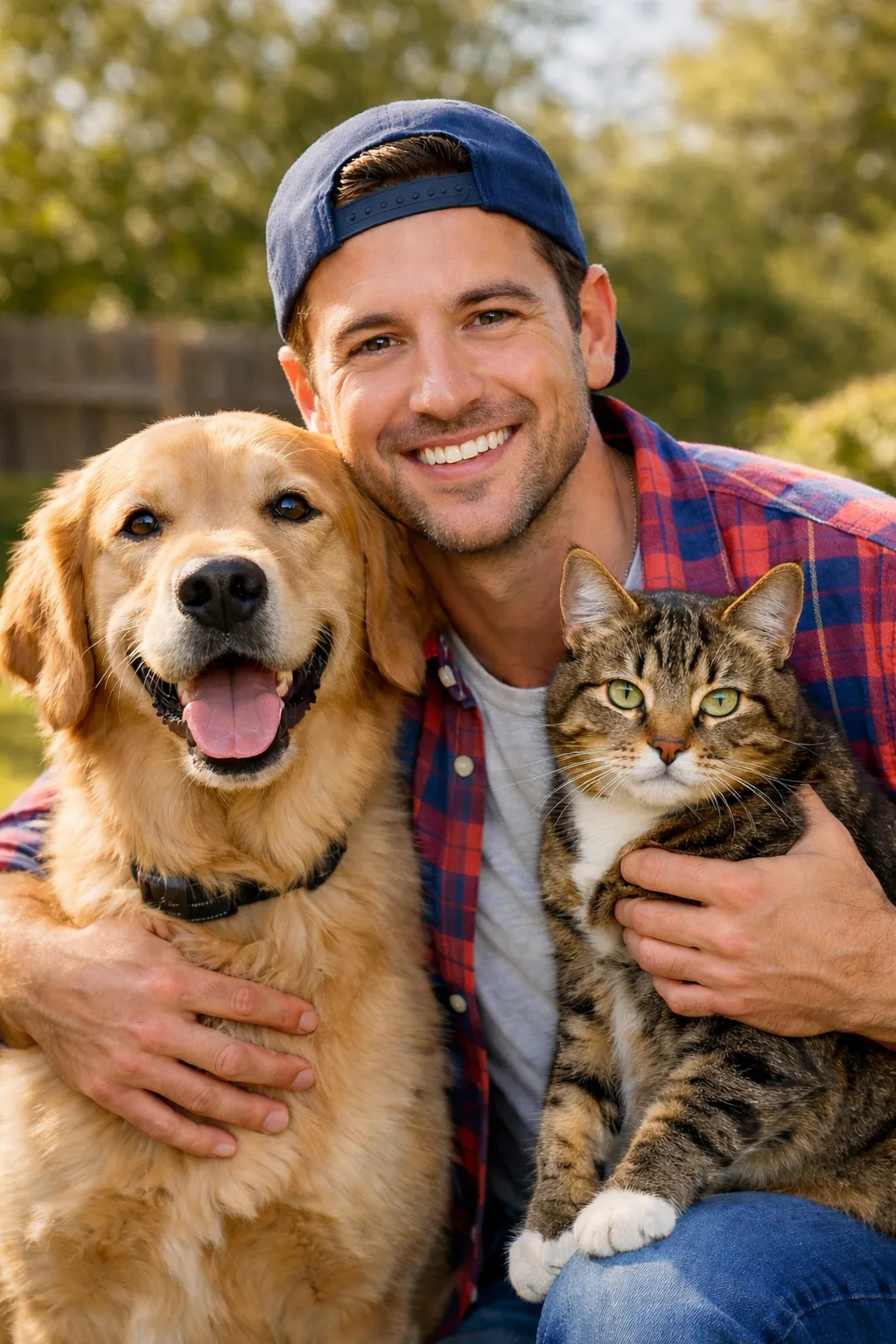
Jack Parker has loved animals since childhood and believes every pet deserves a happy, healthy life. Growing up with dogs and cats taught him that pets are more than companions — they are family.
Through his blog, Jack shares simple, practical advice on pet care, nutrition, and behavior to help pet parents make confident decisions. His mission is to support loving homes where pets can truly thrive. 🐾