
Ever wonder why some dogs seem boundless in energy while others prefer lounging around? It’s like knowing when to charge or rest can transform your dog’s mood and health. Crafting a dog exercise schedule is key to syncing your pet’s bursts of energy with your daily rhythm.
Studies show that dogs require varying exercise amounts ranging from 30 minutes to over 2 hours daily depending on their breed, age, and health. Dog exercise schedule strategies aren’t just about physical activity but include mental stimulation and regular adjustments for life stages, promoting longevity and overall happiness.
Many guides skim the basics or offer one-size-fits-all routines, missing how unique each dog’s needs are. Relying on generic plans often leads to frustration, unmotivated pets, or health issues.
This article offers a practical, evidence-based roadmap to design a thoughtful dog exercise schedule. You’ll learn how to assess and adapt activities, include variety, and balance energy to improve both your dog’s quality of life and your own daily flow.
Understanding your dog’s exercise needs
Understanding your dog’s exercise needs is the first step to keeping your pet healthy and happy. Every dog is unique, with factors like breed, age, and energy shaping how much activity they require daily.
Factors influencing exercise needs
Exercise needs vary by age, breed, and energy. Active breeds like Border Collies need around 68 minutes daily, while small or older dogs may only need 15 minutes. Puppies need short bursts to protect growing bones, and adults need consistent exercise to stay fit.
Always check with your vet, especially if your dog has health concerns like hip problems, to tailor exercise safely.
Signs your dog needs more or less activity
Excess energy or destructive behavior probably means your dog needs more exercise. Signs like zoomies or anxiety improve with about 30 minutes of aerobic activity daily such as brisk walks or playtime.
On the other hand, lethargy and quick fatigue during walks can mean your dog needs less or gentler activity, especially for seniors or those with health issues.
Exercise needs by life stage
Exercise changes with age. Puppies need multiple short walks daily to avoid strain, adults benefit from 30 to 60 minutes of activity, and seniors do best with light, monitored exercise lasting 20 to 30 minutes.
A veterinarian once said, “30 minutes a day helps keep the vet away!” Tailoring by breed and age makes all the difference to your dog’s wellbeing.
Creating a daily dog exercise schedule
Creating a daily dog exercise schedule means fitting your dog’s needs into a rhythm that works for both of you. Most dogs do well with 1-2 walks daily, totaling between 30 minutes and 2 hours depending on their energy and breed.
How to structure exercise sessions
Consistency prevents injury and keeps dogs fit. Shorter, regular walks are better than irregular long ones. For example, a morning 30-minute walk for active dogs, followed by afternoon play, and a shorter evening walk forms a great routine. Puppies need short bursts to protect growing joints.
Balancing physical and mental activities
Balance physical exercise with mental stimulation. Mix brisk walks with puzzle toys or trick training. Morning exercise can include 5-10 minutes of tricks, while afternoons might have fetch games that combine fun and obedience. Short 15-20 minute sessions help keep enthusiasm high.
Adjusting exercise for breed and age
Adjust exercise based on breed and age. High-energy breeds need more—often over an hour daily. Brachycephalic breeds like pugs need gentler cardio. Puppies get short sessions, adults moderate, and seniors shorter, gentle strolls. Always tailor with vet advice.
Types of exercises for dogs
Dogs benefit from different types of exercise that include walking, play, and swimming. Each type helps meet your dog’s physical and mental needs in unique ways.
Walking and jogging
Walking and jogging are the most common exercises. In the UK, owners walk their dogs 64% of the time for over 150 minutes weekly. This matches healthy human activity goals. Different breeds need different amounts terriers need about 60 minutes daily, while herding dogs may need two sessions lasting up to two hours.
Play and agility training
Play and agility offer high-intensity workouts. Activities like flyball and tracking challenge dogs physically and mentally. Around 23% of dog owners engage in strength or agility training. These exercises are especially good for busy, smart breeds like herding dogs who need more stimulation.
Water activities and swimming
Swimming is a great low-impact exercise for dogs, ideal for breeds with breathing issues like pugs. It raises heart rates without stressing joints. Regular water sessions complement daily walks, offering a safe way to keep dogs fit and happy.
Managing exercise challenges
Managing exercise challenges means finding ways to keep your dog active despite obstacles like weather and health. With the right approach, you can stay consistent and keep your dog happy.
Weather considerations and seasonal adjustments
Adjust exercise for weather with indoor alternatives. Cold winters often reduce outdoor walks and increase sedentary time. Many owners switch to indoor play or short sessions timed to avoid extreme cold or heat. Around 76% of studies link weather stress to less activity, so flexibility matters.
Dealing with health limitations
Tailor exercise to your dog’s health needs. Some dogs have injuries or conditions that limit activity. Light, supervised aerobic sessions can reduce stress and improve mood. Exercise also lessens mental health issues, helping dogs feel better overall.
Motivating your dog for exercise
Use challenges and social play to motivate your dog. Like people, dogs respond to varied and fun activities. Periodic challenges, like new games or meetups, keep dogs engaged. Consistent encouragement helps overcome laziness or boredom.
Integrating exercise with nutrition and health
Exercise and nutrition go hand in hand to keep your dog healthy. What your dog eats and how much they move affect each other.
Impact of exercise on nutrition needs
Exercise increases your dog’s calorie needs. Active dogs need more food, especially protein, to build muscle and recover. Adjust meals based on how much your dog moves to avoid weight issues.
Monitoring health alongside exercise
Regularly monitor your dog’s health with exercise. Watch for weight changes, energy levels, and signs of joint pain. Tools like body condition scoring help track progress and keep your dog fit.
Collaborating with veterinarians
Work closely with your vet on exercise plans. Vets help tailor schedules for health problems and recommend safe activity levels. Regular check-ups catch problems early and keep your dog on track.
Conclusion: ensuring a balanced routine for life
A balanced routine is key to a healthy and happy life for your dog. Regular exercise, combined with good nutrition and care, helps your dog live longer and feel better every day.
Consistency is key to prevent injuries and keep your dog motivated. Sticking to a schedule helps your dog build habits and stay active without stress.
As your dog ages, it’s important to adapt the routine. What worked for a puppy won’t fit an older dog. Watch your dog closely to observe and adjust exercise, diet, and rest.
Health and happiness come from understanding your dog’s unique needs. With patience and care, a balanced routine will create years of joyful companionship.
FAQ – Common Questions About Dog Exercise Schedule
How much exercise does my dog need daily?
Most dogs need between 30 minutes to 2 hours of daily activity, including physical exercise, mental stimulation, and social time. The exact amount depends on breed, age, and energy level.
How can I start a dog exercise routine for an inactive dog?
Begin gradually to avoid injury. For example, start with 30 minutes per day split into brisk and casual walks, increasing time and intensity over several weeks.
What are signs my dog is getting too much or too little exercise?
Overexercising signs include fatigue, limping, and reluctance to move. Underexercising risks include obesity, boredom, and destructive behavior. Adjust exercise accordingly.
How should I adjust exercise based on my dog’s breed and age?
Active breeds like Border Collies need more vigorous activity (up to 2 hours), while small or senior dogs require shorter, low-impact sessions. Puppies need short play bursts to protect joints.
What can I do during extreme weather to keep my dog active?
Consider indoor exercises, timed walks during cooler or warmer parts of the day, and avoid hot pavement or icy surfaces. Short indoor play sessions can maintain activity safely.
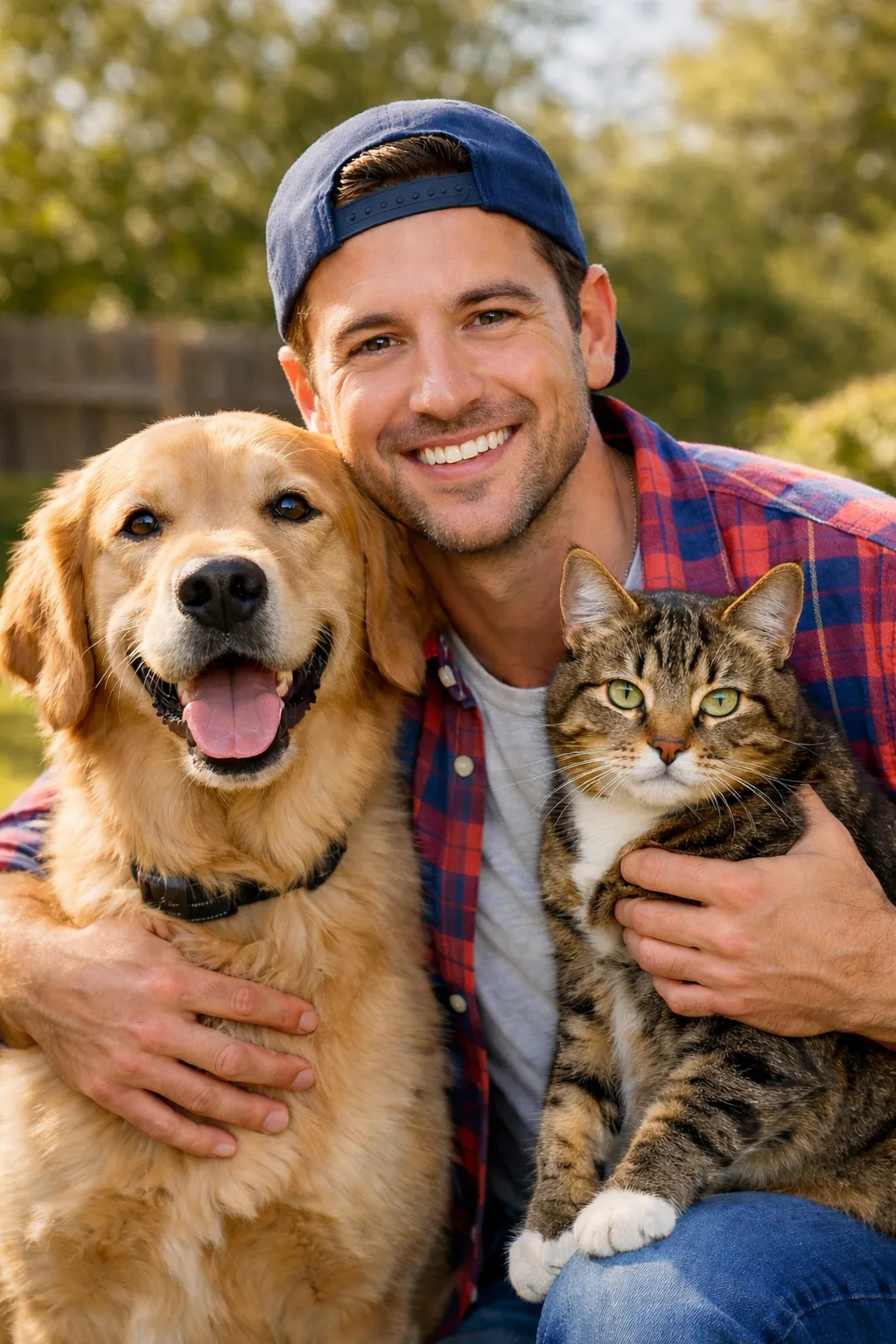
Jack Parker has loved animals since childhood and believes every pet deserves a happy, healthy life. Growing up with dogs and cats taught him that pets are more than companions — they are family.
Through his blog, Jack shares simple, practical advice on pet care, nutrition, and behavior to help pet parents make confident decisions. His mission is to support loving homes where pets can truly thrive. 🐾