
Have you ever felt like your dog suddenly “forgot” everything it learned? It can be baffling and frustrating when your furry friend regresses in training. This kind of setback feels like taking two steps back just when you thought the path was clear. But relapse in dog training is more common than you might realize, especially during stressful periods or changes in their life.
Experts estimate that nearly 1 in 3 dog owners experience some form of training relapse at least once. This often happens because dogs react to stress, health changes, or inconsistent routines. Dog training relapse requires patience and understanding to handle effectively, not just quick fixes.
Many quick solutions claim to fix relapse fast but usually miss the complex emotional and environmental causes behind it. This article offers a practical, evidence-based guide to recognizing, managing, and overcoming dog training relapse. You’ll learn actionable steps and expert tips to regain progress with your dog safely and confidently.
Understanding dog training relapse
Dog training relapse can feel like a setback, but it’s usually a normal part of how dogs learn. When trained behaviors falter, it doesn’t mean your dog has forgotten everything. Instead, their learning is adjusting or destabilizing temporarily.
What is dog training relapse?
Dog training relapse is a temporary return of old behaviors even after progress. This happens because the dog’s brain is still organizing what it learned, not because it forgot. For example, a dog that walked calmly before might suddenly pull on the leash again in new places.
Emotional behaviors like fear or anxiety tend to relapse faster than obedience commands. Experts explain relapse as shifts in emotions or environment that make the learning less stable.
Common causes of relapse
Relapse often happens due to changes in routine or environment. Moving to a new home or encountering new distractions can trigger stress that brings back old habits. Inconsistent practice or reinforcement also plays a big role.
For instance, a dog trained to sit might ignore the command if it’s not practiced regularly. Dogs don’t naturally generalize learning, so without retraining in new situations, old behaviors creep back.
Why relapse happens in adolescent dogs
Adolescence brings hormonal and brain changes that affect behavior. Between 6 to 18 months old, dogs may lose impulse control and get more distracted. This causes them to regress even in well-trained skills like potty training.
For example, puppies might start having accidents again due to teething pain or brain growth. This phase is temporary, and reinforcing basics helps the dog recover faster.
Identifying signs of relapse early
Spotting relapse signs early is key to quick recovery. Small changes in behavior often warn of a bigger problem ahead. Knowing what to watch for helps prevent setbacks from growing.
Behavioral changes to watch for
Watch for mood swings, isolation, and neglect of hygiene. Dogs may also show frustration or lose interest in training tasks. These are signals that old habits might return.
Though mostly about humans, in dogs, behavioral shifts like anxiety or disobedience are signs to act fast. Early notice helps stop relapse before it worsens.
Recognizing stress and triggers
Stress from changes or new distractions triggers relapse. This can be anything from a move to loud noises that unsettle your dog. These triggers often lead to old behaviors resurfacing.
Recognizing stress signs like restlessness or avoidance can guide you to adjust your dog’s environment. This cuts down the chance of deeper relapse.
When to seek professional help
Seek help if signs worsen or persist without improvement. A trainer or vet can offer insights and new strategies. Don’t wait until behaviors become severe or harmful.
Getting guidance early prevents long-term issues. Professionals help tailor approaches to your dog’s unique needs and situation.
Causes and triggers of training relapse
Training relapse often happens when stress or changes shake up your dog’s routine. These triggers can make it hard for dogs to keep their new habits steady. Understanding the causes helps to spot problems early and handle them better.
Stress and anxiety factors
Stress and anxiety are the top triggers for relapse. When dogs feel scared or worried, they tend to slip back into old behaviors. Emotional ups and downs disrupt their learning and lead to setbacks.
Experts say negative emotions are the main cause of relapse. Managing your dog’s stress is key to keeping training on track.
Physical health issues
Physical problems can cause sudden relapse. If a dog is in pain or not feeling well, it might stop obeying commands. Pain or sleep troubles make focus and learning harder.
Just like humans, poor health increases chances of fallback behaviors. Keeping your dog healthy supports good behavior.
Inconsistent training routines
Inconsistent practice weakens training results. Dogs need repeated, regular practice to hold on to skills. Skipping days or changing training styles confuses them.
Training is like muscle memory; it fades without use. Stick to clear, regular routines for best results.
Changes in environment or routine
Changes at home or daily life spark relapse. Moving houses, new family members, or shifts in schedule can stress dogs out. This makes old habits return as a safety fallback.
Big life changes disrupt your dog’s sense of security. Minimizing these shocks helps keep training stable.
Practical strategies to recover from relapse
Recovering from a dog training relapse takes steady work and kindness. You can rebuild good habits by focusing on simple steps repeated daily. Understanding how to support your dog emotionally helps avoid more setbacks.
Restarting basic commands
Begin again with simple commands. Treat it like your dog is learning for the first time. Short, frequent sessions help rebuild confidence and memory.
Repeating basics strengthens neural pathways. Dogs respond well to gentle reminders and patience.
Using positive reinforcement consistently
Use rewards every time your dog succeeds. Treats, praise, or play encourage good behavior. Consistency in reinforcement makes lessons stick stronger.
Studies show positive reinforcement outperforms punishments in lasting behavior change. It also builds trust between you and your dog.
Managing stress and environment
Reduce stress by controlling the environment. Avoid loud noises or crowded places during retraining. Calm settings let dogs focus and feel safe.
Lower stress means better learning. Tools like calming music or safe spaces help dogs relax.
Avoiding punishment and negative reactions
Stay clear of punishment. Negative reactions increase fear and confusion. They often make relapse worse instead of better.
Experts recommend patient guidance. Supportive training builds confidence and long-term success.
Preventing future relapses
Preventing future relapses means keeping training strong every day. A steady routine helps dogs hold onto new skills longer. Watching carefully and making small changes keeps problems from coming back.
Maintaining consistent routines
Consistent daily routines build strong habits. Dogs thrive with clear rules and regular practice. This steady rhythm helps learning stick around.
Experts say habits form best with repetition. Changing too much too fast can confuse your dog.
Regular socialization and exposure
Regular exposure to new places and dogs helps prevent relapse. Meeting different situations keeps dogs flexible and confident. This cuts down fear-based fallback behavior.
Socialization teaches dogs to handle surprises calmly. It’s like practice for real life.
Tracking progress and adjusting training
Track your dog’s behavior changes closely. Note small wins and challenges. Adjust your training based on what works best.
Keeping tabs prevents small slips from turning into bigger issues. Flexibility in training beats rigid routines.
Using video monitoring to identify hidden triggers
Video can reveal hidden stress triggers. Watching recordings uncovers what upsets your dog that you might miss. This helps you fix problems before relapse happens.
Owners who use video often spot subtle anxiety signs early. Early notice means quicker solutions.
Conclusion: Embracing patience and persistence
Patience and persistence are the keys to overcoming dog training relapse. Progress may slow or falter, but steady effort leads to lasting change. Expect setbacks, but don’t lose hope or give up.
Research shows patience helps manage stress and achieve long-term goals. This applies to dogs learning too; gradual progress wins the day. Persistence keeps the bond strong and training on track.
Remember, true success comes from consistent, kind practice. Every small step builds toward better behavior. Stay patient—it’s the most powerful tool you have.
Frequently Asked Questions About Dog Training Relapse
Is dog training relapse normal, or did I do something wrong?
Dog training relapse is common and usually not your fault. It happens due to factors like adolescence, stress, or unexpected events. Most owners face some setbacks during training.
What causes dog training relapse?
Common causes include stressful experiences, developmental phases, inconsistent routines, overexposure to triggers, and changes in environment or health issues.
Why is my puppy having potty accidents again after success?
Potty regressions often happen in puppies aged 4-12 months due to stress, inconsistent schedules, or insufficient supervision. Returning to basics usually helps resolve it.
Why has my dog’s reactivity or fear-based behavior gotten worse?
Reactivity relapses often stem from negative events, maturation, pain, or training errors like overexposure to triggers, increasing stress and fear responses.
How do I recover from a training relapse?
Go back to basics with consistent practice, identify and manage triggers, rule out health issues, use positive reinforcement, and be patient and persistent to rebuild progress.
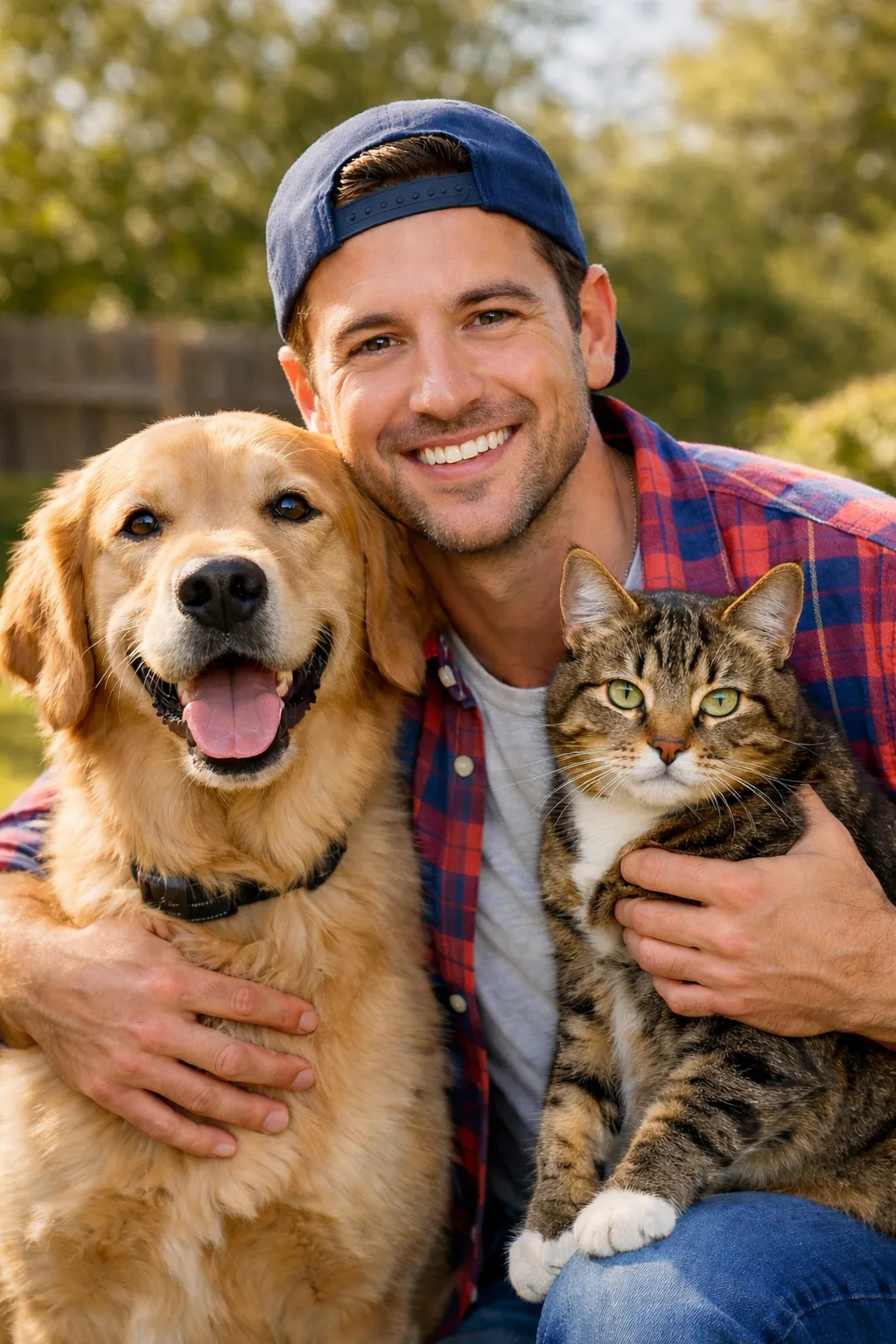
Jack Parker has loved animals since childhood and believes every pet deserves a happy, healthy life. Growing up with dogs and cats taught him that pets are more than companions — they are family.
Through his blog, Jack shares simple, practical advice on pet care, nutrition, and behavior to help pet parents make confident decisions. His mission is to support loving homes where pets can truly thrive. 🐾