
Leaving your dog alone can feel like walking a tightrope balancing your daily commitments with your furry friend’s well-being. You might wonder just how long is too long, or worry about how your pet copes during your absence.
According to recent studies, many dogs experience stress and anxiety when left alone for extended periods. Establishing a leaving dog alone schedule that’s safe and comfortable is crucial to avoid behavioral problems and keep your dog happy.
Many quick guides out there only scratch the surface, focusing on simple rules without tailoring plans to your dog’s unique needs.
This article offers a comprehensive, practical approach to help you build a schedule that supports your dog emotionally and physically. From understanding basic time limits to using technology and recognizing anxiety signs, we cover it all.
Understanding the basics of leaving your dog alone
Leaving your dog alone requires understanding how much time they can safely handle and what factors influence this limit. Dogs are social animals and their ability to stay alone varies widely.
How long can dogs be left alone?
Adult healthy dogs can usually manage 4-6 hours alone without serious issues. Puppies should not be left more than 2 hours due to their small bladders and need for social interaction. With gradual training, some dogs can handle up to 8 hours, but leaving a dog alone for 24 hours is never safe because they need daily care and breaks.
Studies show separation-related behavior (SRB) problems decrease when alone time is reduced. For example, during pandemic lockdowns, more dogs were left alone less often, which lowered stress signs.
Factors affecting alone time (age, breed, health)
Age plays a big role: Puppies require frequent attention; older dogs may need extra care due to health or mobility issues.
Breed and individual temperament matter: Some dogs are more anxious and need more gradual acclimation to alone time. A high percentage of dogs show signs of separation anxiety, with symptoms like pacing or whining typically peaking in the first hour alone.
Health conditions affect tolerance: Dogs recovering from illness or with special needs may need shorter alone periods and more monitoring. Offering dog walkers or daycare is ideal for absences over 6 hours.
Preparing your dog for alone time
Preparing your dog for alone time means helping them feel calm and safe while you’re away. It starts with training and creating the right environment.
Gradual training to increase alone time
Gradual training is the best way to help your dog get used to being alone. This means starting with very short absences and slowly increasing the time over days or weeks. This method works well, reducing anxiety and stress even in dogs with serious fears.
Experts say “little and often” works best, such as short 30-minute sessions that vary in timing. Owners see better results when they reward calm behavior and track progress daily.
Creating a safe and stimulating environment
A safe and stimulating environment helps ease your dog’s anxiety while alone. This includes giving toys, following routines, and creating positive associations, like special toys given when you leave. Dogs with separation anxiety tend to damage property or bark more if this environment is missing.
During the pandemic, many puppies showed fear because they didn’t get used to being alone early. Cameras to monitor dogs are now used by about one-third of owners.
Tools and technology to support your dog when alone
Modern tools and technology offer great ways to support your dog when alone. They help reduce stress and keep your pet connected.
Using cameras and monitoring apps
Special devices now let dogs make video calls to their owners. One example is DogPhone, developed by the University of Glasgow, which uses shaking motions to start calls. This tech helps fight the 700% surge in separation anxiety seen after the pandemic.
Experts say these devices build mutual interaction and keep dogs calmer. Labs like Zack showed excitement when interacting with owners remotely.
Calming aids and interactive toys
Calming aids and interactive toys also ease anxiety. The market for these tools is growing fast and expected to hit $39.9 million by 2031. Many dog owners noticed mental shifts post-pandemic with anxiety signs like pacing.
Combining treat dispensers, toys, and behavioral desensitization therapy helps most dogs. Severe cases may need medication, but training and aids offer strong support.
Daily routine strategies to reduce separation anxiety
Daily routines play a big role in lowering your dog’s separation anxiety. Exercise and mental activities keep dogs calm and tired.
Importance of exercise before alone time
Exercise before alone time helps reduce your dog’s stress. Studies show dogs who get walks or play before being left alone show fewer signs of anxiety. Physical activity tires them out and releases happy hormones.
Dog trainers often recommend at least 30 minutes of activity. This simple step can be a game changer for your pet.
Enrichment activities to keep your dog busy
Enrichment activities keep your dog’s mind busy while alone. Puzzle toys, treat-dispensing balls, and chew toys distract dogs and improve behavior.
Experts say mental stimulation reduces boredom and anxiety. During the pandemic, many dogs benefited from increased enrichment, showing better focus and less destructive behavior.
When to seek professional help and alternative options
Knowing when to get help is key to your dog’s well-being. Early action can make a big difference.
Signs of separation anxiety
Watch for signs of separation anxiety like barking, pacing, or destructive behavior. About one in three dogs show some anxiety when left alone. Early signs include whining or restlessness within the first hour.
Professional trainers stress that quick intervention can prevent worse problems later. The goal is to keep your dog calm and safe.
Dog daycare and walkers as alternatives
Dog daycare and walkers offer great alternatives for lonely dogs. These options provide socialization and exercise during long absences. Many owners report fewer anxiety symptoms when using these services.
Hiring a walker or enrolling your dog in daycare can be life-changing for dogs struggling with alone time. Experts often recommend these as part of a balanced plan.
Conclusion: creating a balanced schedule for your dog
A balanced schedule is key to your dog’s health and happiness. Consistent meals, exercise, and rest reduce stress and improve behavior.
Studies show that dogs with steady routines have lower cortisol levels, a hormone linked to stress. Feeding once daily has been linked to better cognitive health, but large breeds may need more meals to avoid health risks.
Simple routines like fixed mealtimes paired with potty breaks make house training easier. Experts agree that predictability signals safety to dogs, making them feel secure.
Consult with your vet to tailor a schedule that fits your dog’s breed and energy levels, ensuring a balanced life.
FAQs – Creating a Safe Schedule for Leaving Your Dog Alone
How long can I leave my dog alone safely?
Adult dogs can generally be left alone for 4 to 6 hours, but puppies, older dogs, and sick pets need more frequent breaks. Dogs should never be crated for more than 8 hours.
How do I prepare my dog for alone time?
Start with short absences, gradually increasing time away. Create a safe space with toys and familiar smells. Establish a consistent routine and use a “safety cue” when leaving.
What safety measures should I take when leaving my dog alone?
Crate your dog for safety or dog-proof your home. Always secure windows and doors. Never leave your dog outside unsupervised, and provide fresh water in accessible areas.
How can I tell if my dog has separation anxiety?
Signs include excessive barking, destructive behavior, house soiling, and frantic greetings. Distress around departures and obsessive following inside the home also indicate anxiety.
Is it safe to leave my dog in the yard alone?
No, dogs should not be left outside unattended for more than 5 to 10 minutes due to risks like escapes, barking, fence issues, and exposure to hazards.
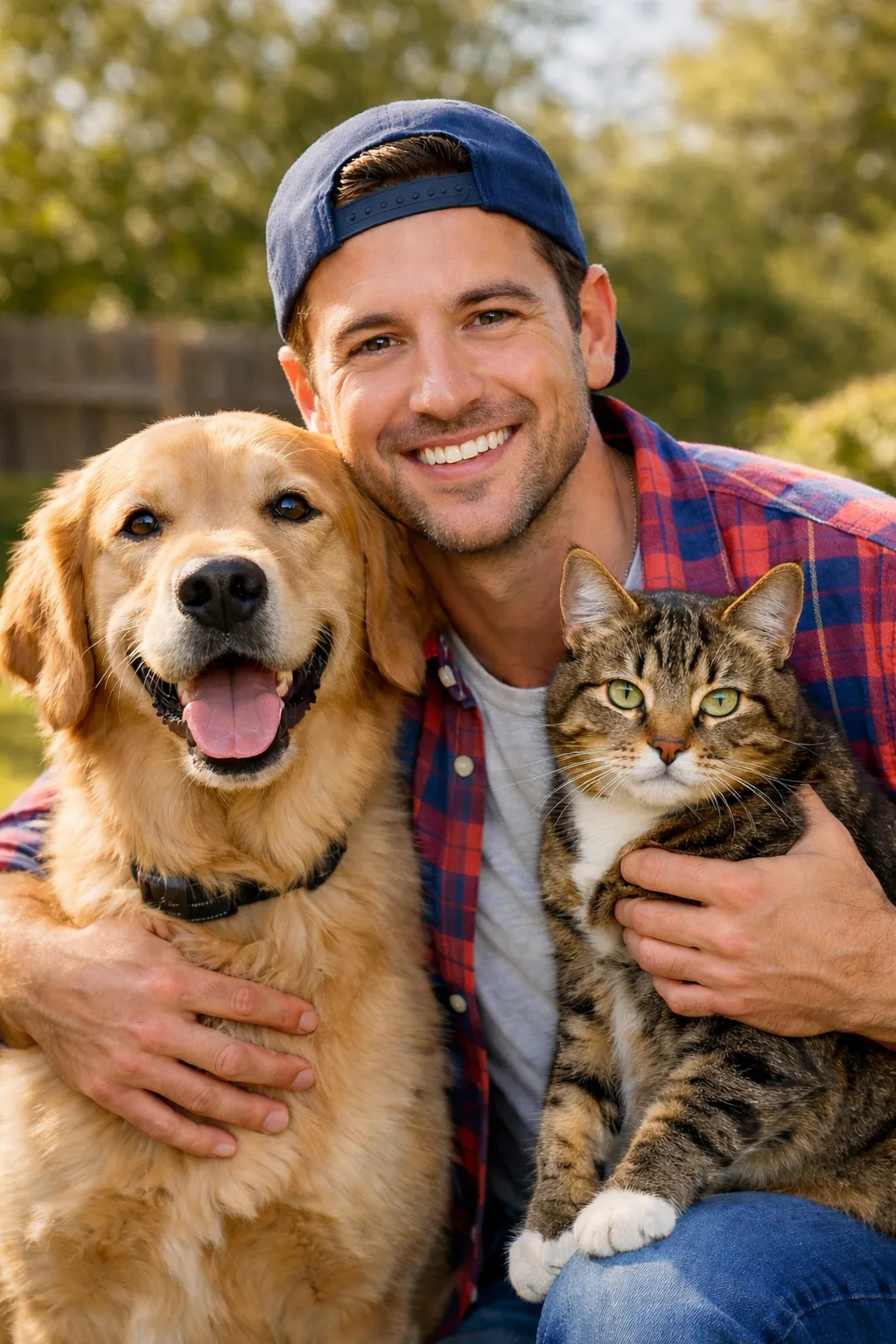
Jack Parker has loved animals since childhood and believes every pet deserves a happy, healthy life. Growing up with dogs and cats taught him that pets are more than companions — they are family.
Through his blog, Jack shares simple, practical advice on pet care, nutrition, and behavior to help pet parents make confident decisions. His mission is to support loving homes where pets can truly thrive. 🐾