
Planning a trip with your dog can feel like preparing for a grand adventure but unlike packing a suitcase, it involves unique challenges that demand careful thought.
Have you ever wondered what it really takes to ensure your furry companion enjoys the journey as much as the destination?
Estimates suggest that over 50% of pet owners travel with their dogs annually, making traveling with a dog planning a crucial skill for millions.
Ensuring your dog’s health, comfort, and safety involves more than just a quick checklist; it calls for detailed preparation tailored to your dog’s specific needs and the nature of your trip.
Many guides focus on basic tips like packing food or leashes, but these often overlook subtler factors such as your dog’s stress management or legal travel requirements.
These surface-level solutions can leave owners unprepared for the real challenges on the road.
This article offers a comprehensive approach grounded in practical insights and expert advice.
From understanding your dog’s unique needs to selecting pet-friendly accommodations, we’ll explore everything needed to transform your travel experience into a harmonious journey for both you and your dog.
Understanding your dog’s travel needs
Understanding your dog’s travel needs is the first step to ensuring a smooth and safe trip. Every dog is unique, so knowing their health and temperament helps you plan better and avoid surprises.
Assessing health and temperament
Start with a thorough vet checkup to ensure your dog is fit for travel. Vets usually check vaccines like rabies, distemper, and parasites within 10 days before travel.
Dogs should be at least 6 months old and healthy. Some breeds, like bulldogs, may have trouble breathing during trips due to their anatomy.
Planning at least 2-4 months ahead helps manage health needs and paperwork. Knowing your dog’s personality also matters some dogs handle stress well, others might get anxious.
Preparing your dog for travel
Gathering the right documents is key. This includes health certificates endorsed by USDA, rabies proof, and any destination-specific forms.
Airlines often require proof of feeding and water before flights, plus acclimation letters. For international travel, some countries demand quarantine or microchipping.
Bring extra medication, parasite preventives, and plan a vet visit after travel. Always check the rules of your destination well in advance to avoid quarantine surprises.
Essential documents and health preparations
Essential documents and health preparations are the backbone of safe and hassle-free travel with your dog. Without proper paperwork and health measures, your trip can face delays or worse.
Vaccinations and health checks
Keep your dog’s vaccinations up to date and get a vet check within weeks before travel. Vaccines like rabies are mandatory nearly everywhere.
Carry health certificates that prove your dog’s shots and overall health. Some countries require additional vaccines, like yellow fever in certain regions.
In 2026, many COVID rules have relaxed, but always check the latest health requirements for your destination.
Required travel documents
A valid passport with at least six months left is a must. Some places require specific visas or authorizations like ETIAS for the EU starting late 2026.
Bring both digital and paper copies of your dog’s documents. Also, keep proof of bookings, travel insurance, and if traveling with kids, consent letters.
Missing paperwork can cause quarantine or denied entry, so check requirements well in advance.
Packing the perfect travel kit for your dog
Packing the perfect travel kit means bringing everything your dog needs to stay happy and healthy. It helps avoid surprises and keeps your dog comfortable throughout the trip.
Food and hydration essentials
Bring enough dog food for your trip, plus extra for delays. Use non-refrigerated food like JustFresh meals and carry treats for rewards.
Collapsible bowls and bottled water are perfect for keeping your dog hydrated without mess. Consistency in food can help avoid digestive issues.
Comfort and safety items
Pack familiar items like a dog bed, blanket, and toys to reduce anxiety. Carry extra leashes, harnesses, and ID tags to keep your dog safe.
A first aid kit with basics like bandages and Benadryl is essential. For water activities, include life jackets and booties to protect your dog’s paws.
Choosing the right transportation method
Choosing the right transportation method depends on your dog’s needs and the trip details. Cars offer flexibility, planes provide speed and safety but require more prep.
Traveling by car vs. plane
Flying is statistically safer than driving. In 2023, car injury rates were 42.2 per 100 million miles, while air injuries were much lower at 0.004.
However, driving allows door-to-door travel and is faster for short trips. For example, a Dallas to Oklahoma City drive takes 186 minutes compared to 234 minutes by plane.
Pet-friendly transport rules and tips
Cars offer more flexibility with fewer restrictions. Planes require approved pet carriers, health certificates, and sometimes acclimation letters.
Always check your airline’s pet policies early. Bring familiar items for your dog to keep them calm during travel.
Finding and booking pet-friendly accommodations
Planning a trip with your dog requires careful preparation to ensure a smooth and enjoyable experience for both you and your pet.
Key aspects include understanding your dog’s travel needs, securing essential health documents, packing a suitable travel kit, choosing the right transportation, and booking pet-friendly accommodations.
By addressing these areas thoughtfully, you can create a stress-free journey that caters to your dog’s comfort and safety while meeting any legal requirements.
This strategic approach helps prevent common travel challenges and enhances your bonding time on the road.
Conclusion
Careful planning is the key to any successful trip with your dog. More than 40% of dog owners travel with pets each year, showing how common and important this topic is.
Regular stops every 2-4 hours for exercise and hydration keep dogs comfortable, especially on long drives. Road trips often cause less stress than flights, making them ideal for anxious or older dogs.
Choosing pet-friendly lodging and bringing familiar toys helps your dog feel at ease. Starting with short trips builds your dog’s confidence and comfort on the road.
Preparation not only keeps your dog safe but strengthens the bond between you. Thoughtful planning allows you to create memorable experiences full of joy and discovery with your furry friend.
FAQ – Traveling with a Dog Planning
What documents do I need to travel with my dog within the United States?
When traveling domestically, your dog must have a valid health certificate issued by a licensed veterinarian within 30 days of travel and up-to-date rabies immunization. Requirements may vary by state, so check local animal health authorities for specific rules.
What are the requirements for traveling internationally with my dog?
International travel requires a microchip, blood tests, health certificates, proof of vaccination, and sometimes a Certification of U.S.-Issued Rabies Vaccination before departure. Start preparing weeks or months in advance due to complex documentation.
How old does my dog need to be to travel?
Your dog must be at least 8 weeks old for general travel. For international trips requiring USDA-endorsed certificates, dogs must be at least 6 months old.
How current must my dog’s health certificate be for air travel?
Health certificates must be issued within 10 days before travel for outbound flights. For return flights on the same ticket, certificates are valid up to 60 days; otherwise, a new certificate is required.
What should I pack when traveling with my dog?
Pack an airline-approved pet carrier, food, water, medications, and all necessary documents like import permits and microchip IDs. Having these ready ensures smooth airport and customs procedures.
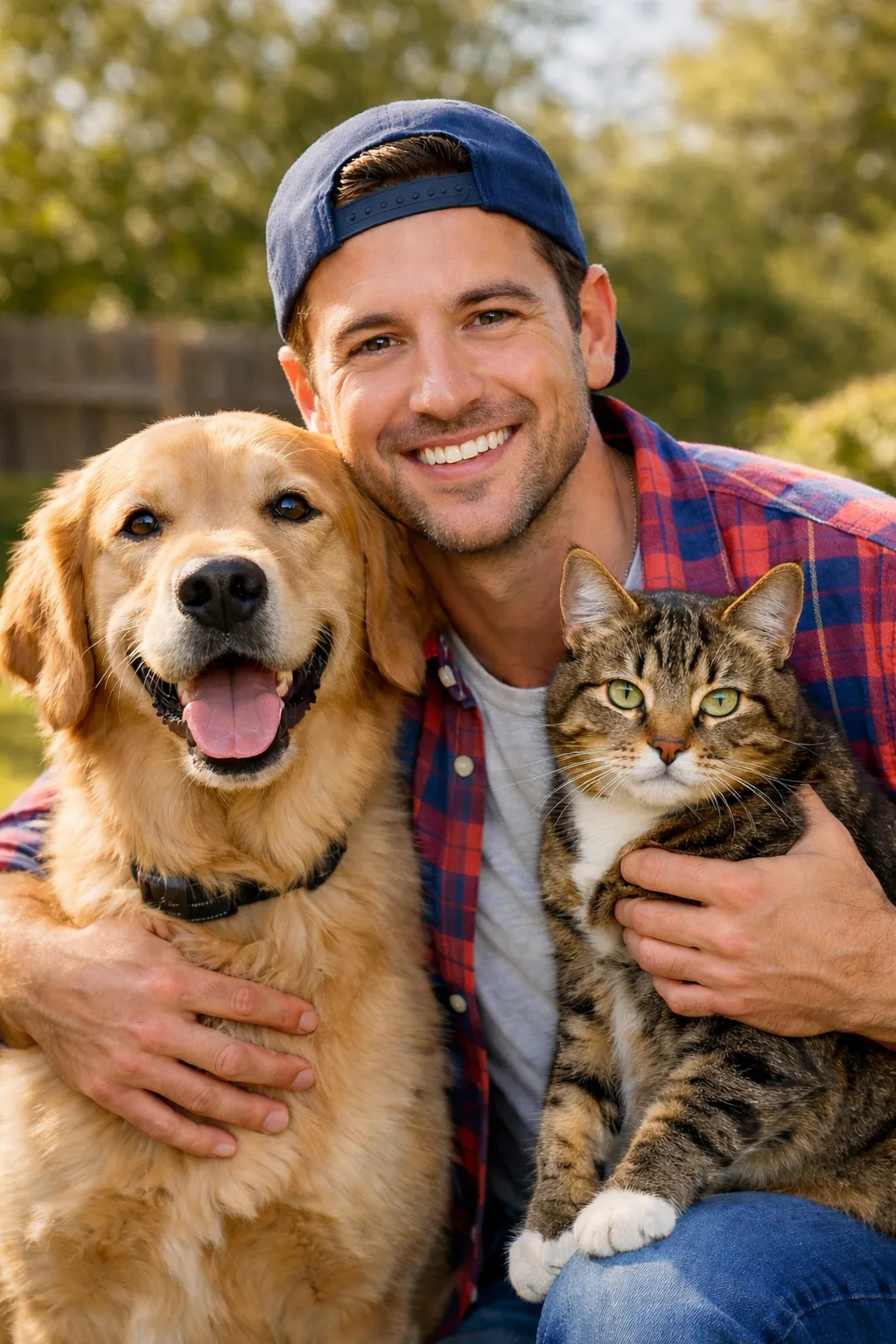
Jack Parker has loved animals since childhood and believes every pet deserves a happy, healthy life. Growing up with dogs and cats taught him that pets are more than companions — they are family.
Through his blog, Jack shares simple, practical advice on pet care, nutrition, and behavior to help pet parents make confident decisions. His mission is to support loving homes where pets can truly thrive. 🐾